One thing that comes up often in conversations with the families who use Savi: by the time someone reaches out, a parent or grandparent has already had a frightening experience. Either a scam call that they managed to hang up on, or a near-miss where they almost sent gift cards, or in the worst cases, money that is already gone.
The protective infrastructure, the conversations, the agreements, and the tools, is almost always built after the fact. We put together this guide to help families build it before something happens instead.
This is not complicated or expensive. Most of what matters is a conversation and a few specific decisions made together as a family. It takes an afternoon the first time, and very little ongoing effort.
Part 1: The Conversation You Need to Have First
Before any technical setup, there is a conversation. The framing of this conversation matters a lot, and we wrote a longer piece on how to approach it, but the core principle is this: talk about the scammer's capability, not your relative's vulnerability.
"These callers have gotten so sophisticated that even careful people sometimes get taken in" is a different conversation than "I'm worried you might fall for something." The first invites a collaborative response. The second triggers defensiveness.
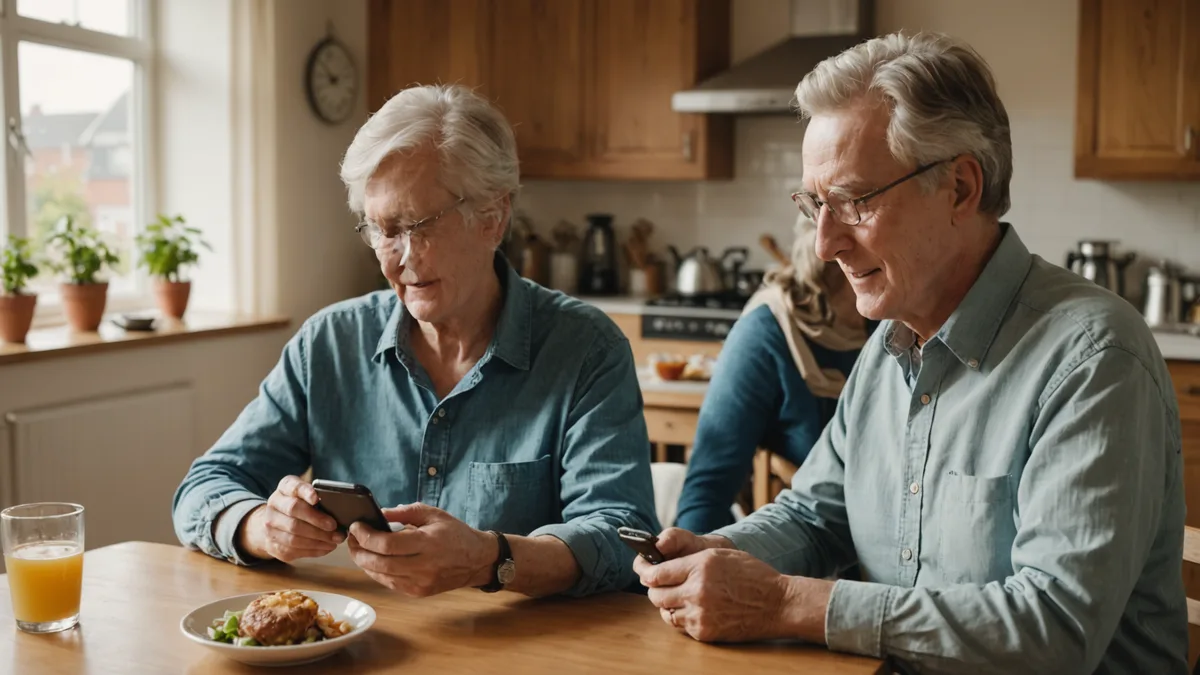
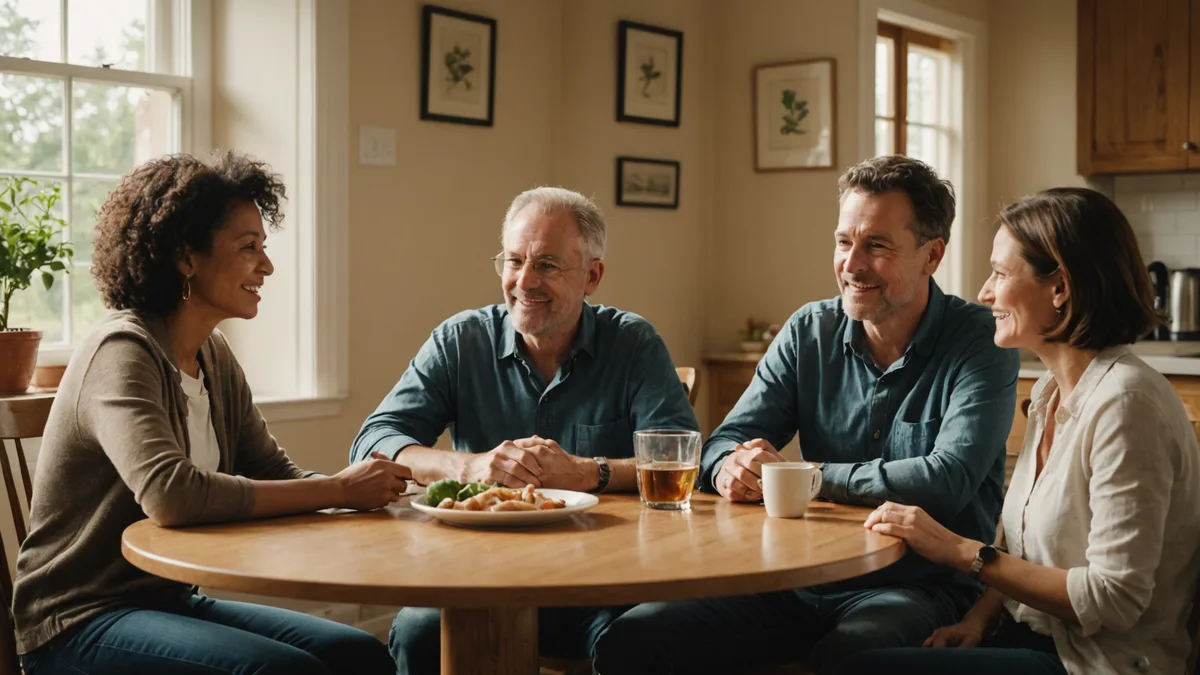
The goal of this first conversation is not to install rules or take over. It is to share specific information about what current scams look like, establish that your relative knows they can call you any time a strange call arrives, and set up the code word (see below) together as a family decision.
Part 2: Establish a Family Emergency Code Word
This is the single most effective low-tech protection against the grandparent scam and its voice-cloning variants. The idea is simple: your family picks a word or short phrase that everyone knows, something unusual enough that a scammer could never guess it. If anyone ever calls claiming to be a family member in an emergency, asking for the code word immediately reveals whether the caller is genuine.
There are a few things to do to make this work:
- Choose something specific and not guessable, a nickname from childhood, an unusual family phrase, the name of a pet that has passed, something with family meaning but no outside-world visibility.
- Include every adult family member who might be called in an emergency scenario, not just one generation.
- Write it down somewhere accessible in the household, not just in people's heads.
- Revisit it annually. If it has leaked or someone is no longer in the household, change it.
The code word also works in reverse. If a family member gets a strange call claiming a grandchild is in trouble, the right response is: "I'll hang up and call them on their regular number." If the caller objects or tries to prevent that, that is itself the scam signal.
Make it a family activity: Setting up a code word together feels different than being given a security rule to follow. Let the older family member suggest the word. They often pick the most memorable option anyway.
Part 3: Build a Clear Decision Tree for Unexpected Calls
Most people do not have a pre-made plan for what to do when a suspicious call arrives. That means the decision gets made under emotional pressure, when pressure is exactly what the scammer is applying. Having a pre-made decision tree removes that pressure.
The tree is simple:
- Is the caller asking for money or payment in any form? Hang up. Call a family member before doing anything else.
- Is the caller claiming to be a government agency and threatening consequences? Hang up. Look up the agency's number yourself (not from the call). Call to verify.
- Is the caller claiming to be a family member in an emergency? Ask for the code word. If they don't know it, hang up and call the family member on their known number.
- Is the caller saying you will lose something (power, benefits, your home) if you don't act immediately? Hang up. Any real issue will still be there to address after you've had time to verify independently.
The common thread across all of these is: hang up first, verify second, and never act on a financial request while still on the original call. Write this down for your relative. Put it near the phone or in their phone's notes app, somewhere they can find it in the moment.
Part 4: Set Up a Check-In Protocol for Unexpected Caller Experiences
One of the consequences of scam awareness campaigns is that many older adults feel embarrassed if a suspicious call rattled them, even if they did the right thing. They don't report it to family, which means the family doesn't know it's happening, and there's no opportunity to reinforce the right response.
Setting up a simple check-in protocol removes this barrier. Something as light as: "If you ever get a weird call, even if you hung up and everything was fine, just text me or leave a voicemail so I know. I want to know about it, and you did the right thing."
This accomplishes two things. First, it normalizes reporting near-misses, which means you'll actually hear about them and can help process what happened. Second, it builds a habit of contact after a scam call, rather than isolation, which is exactly what scammers try to create.
Part 5: Practical Technology Setup
Technology is a support layer, not a replacement for the conversations and protocols above. With that caveat, here is what is worth setting up:
Carrier-level spam blocking: Every major US carrier offers some form of spam call filtering, often at no extra charge. It is not foolproof and misses a significant portion of scam calls, but it removes some volume before calls reach the phone. If your relative's carrier offers this, enable it.
Savi Security: This is what we built for exactly this scenario. It runs in the background during calls and analyzes both the voice and the conversational pattern for scam signals. It is designed to feel unobtrusive: it does not interrupt every call, just alerts when a call matches patterns associated with fraud. Setting it up together in person, the first time, is the approach we recommend. Showing your relative what an alert looks like removes the surprise when it first fires.
Simple blocking rules: Most smartphones allow you to send unknown callers directly to voicemail. For older adults who receive a high volume of unknown calls, this can dramatically reduce the number of scam calls that connect at all. Legitimate known contacts call from numbers in the address book. Scammers call from unknown numbers. This is not a complete solution, but it reduces daily exposure.
Part 6: Revisiting the Plan Together
Scam scripts evolve. The voice cloning article on this blog describes one of the more significant changes in the last few years, and there will be others. A family safety plan that was set up in 2023 is still useful but may be missing some current patterns.
We recommend a brief check-in on the plan once a year, around the same time as other household planning. It doesn't need to be long: has anything new come up on the scam front? Has the code word been shared with anyone it shouldn't have been? Is the technology still working as expected? Is there anything that happened in the past year that the family should talk through?
We're not saying the plan needs to be complicated to be effective. We're saying that the families we hear from who have avoided financial harm from phone fraud almost always have one thing in common: they talked about it before the call arrived. The plan itself matters less than the fact that there is one.