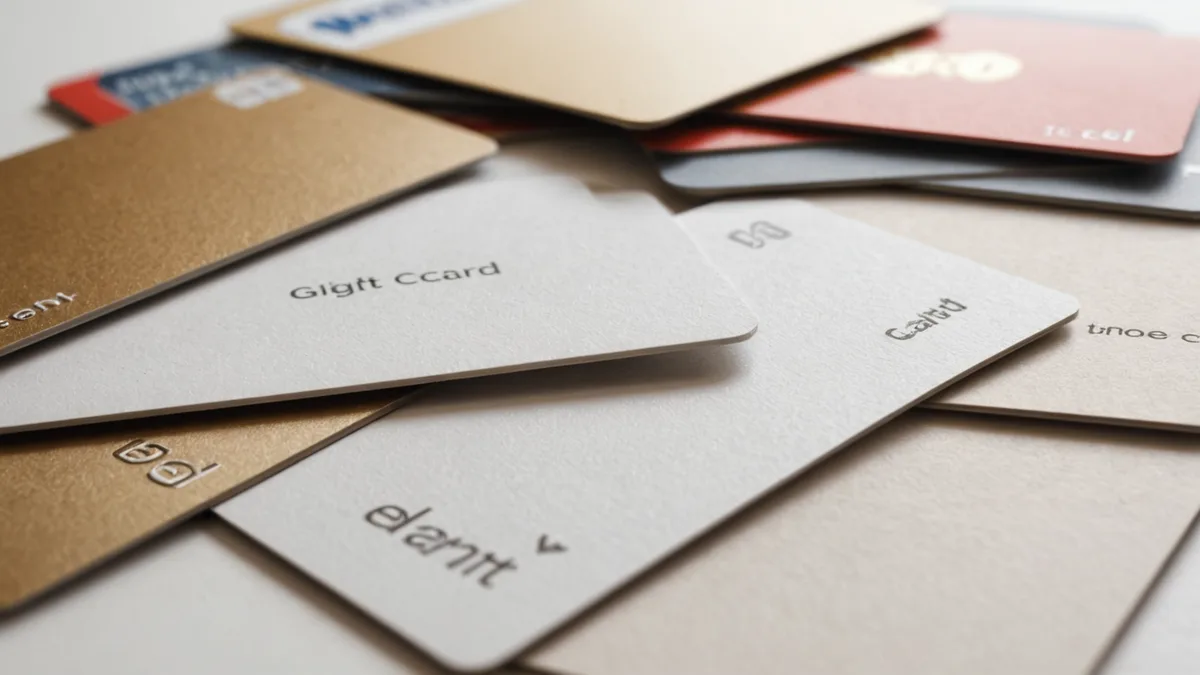
Here is one rule that has no exceptions: no legitimate organization will ever ask you to pay a debt, resolve a legal problem, or claim a prize by going to a store and buying gift cards.
Not the IRS. Not Social Security. Not your local electric utility. Not a bail bondsman. Not a tech support company. Not a grandchild's lawyer. No one. The moment a caller directs you toward gift cards as a payment method, you are talking to a scammer, and the right response is to hang up immediately.
Gift card payment demands are so prevalent in phone scams that they deserve their own dedicated explanation. This is not about one specific scam type. It cuts across nearly every fraudulent phone call category: government impersonation, family emergency, lottery fraud, and tech support. Understanding why scammers love gift cards makes the pattern easier to spot before any damage is done.
Why Scammers Specifically Want Gift Cards
Gift cards are popular with fraudsters for a simple reason: once you read the card number and PIN to someone over the phone, the money is gone and there is almost nothing anyone can do to get it back. Compare that to a wire transfer, which can sometimes be recalled if caught early, or a check, which takes days to clear and can be stopped. Gift card funds can be drained across the world within minutes of a call ending.
Cards are also anonymous. No bank account is involved. No identity verification at purchase. The card number is the money, and it can be resold, laundered, or used to fund purchases on any platform that accepts it. For scammers running organized operations across multiple countries, gift cards are as close to untraceable cash as they can get through a phone call.
There is also a psychological dimension. Going to a store to buy something feels like a normal, real-world action to the person buying the cards. It is less abstract than wiring money. Some victims describe feeling that the act of going shopping was reassuring, a sign that they were doing something within their control to resolve an urgent situation. That feeling of productive action is exactly what the scammer wants while they keep the target on the phone.
The Script Scammers Follow
Gift card scams follow a recognizable sequence. First comes the problem: unpaid taxes, a suspended Social Security number, a grandchild in jail, a virus on your computer. Then comes the solution that inexplicably involves gift cards. Then comes the instruction to stay on the phone while you drive to the store.
That last part is particularly common. Scammers will tell you to stay on with them the entire time you are in the store. They will coach you on what to say if a cashier asks questions, sometimes telling targets to say the cards are gifts for grandchildren. Some stores have trained staff to ask about large gift card purchases and watch for elderly customers who seem to be on the phone while buying. Scammers know this, so they instruct targets to say nothing suspicious.
Once you are back in your car with the cards in hand, they ask you to scratch the back and read the number and PIN aloud. That is the moment the money moves. Everything after that is trying to get more cards, either immediately or through a callback the next day.
Who Gets Targeted and Why Seniors Are Hit Harder
Anyone can fall for this. We want to be clear about that, because the shame and embarrassment of having been targeted keeps many families from talking about it openly, and silence helps scammers more than anything else.
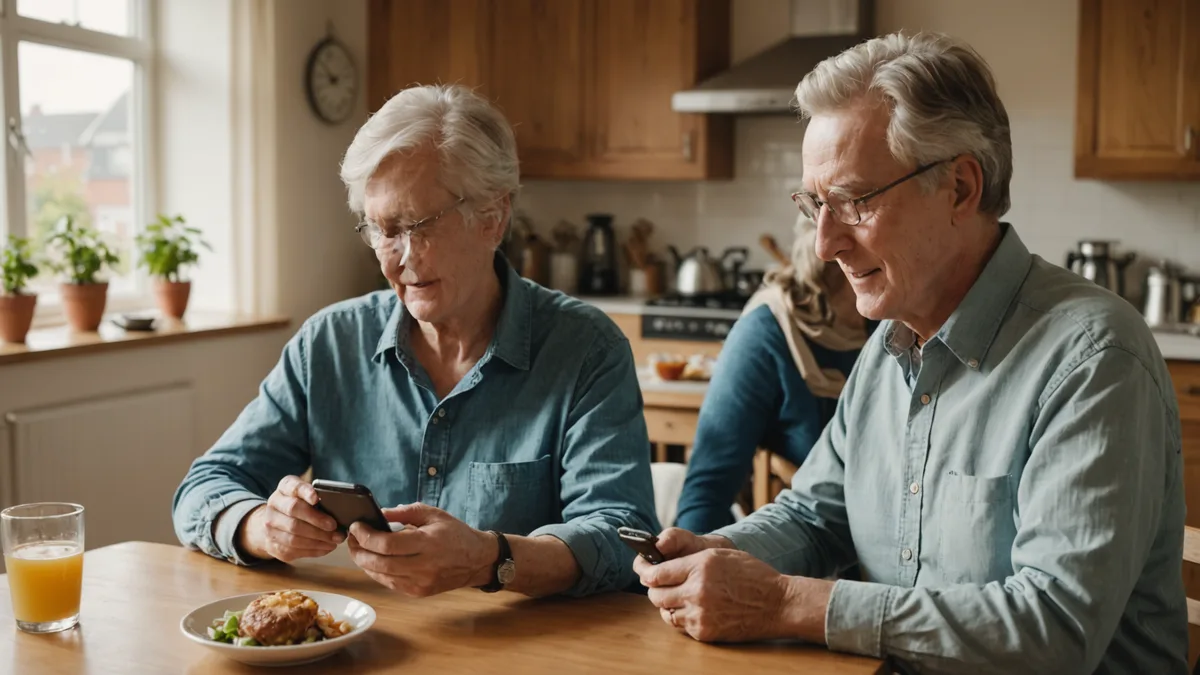
That said, older adults are disproportionately targeted for practical reasons: they are more likely to be home during the day when calls come in, they grew up in an era when phone calls from official-sounding numbers were trustworthy, and they may have retirement savings that make the potential payout higher. Cognitive changes that come with aging can also affect how quickly someone processes the implausibility of a caller's story under pressure. None of this is a character flaw. All of it is something scammers study and exploit.
What Family Members Can Do Right Now
The most direct thing you can do is have an explicit conversation about gift card payments. Not a vague "be careful out there" conversation, but a specific one: "If anyone ever asks you to pay for anything with a gift card, it is a scam. I want you to hang up and call me." Practice the scenario out loud. Name the exact card types they might ask for: iTunes, Google Play, Amazon, Steam.
The one rule to share with every older adult in your family: No real government agency, court, or business accepts gift cards as payment. If a caller says they do, hang up.
If you are setting up Savi Security on a parent or grandparent's phone, the app will flag calls that match known payment-pressure patterns, including scripts that steer toward gift card requests. That is a useful backup layer, but the most reliable protection is knowing the rule before the call comes.
If someone you know has already sent gift cards to a scammer, act fast. Contact the gift card issuer immediately using the number on the back of the card. While recovery is often not possible, some companies have fraud lines that can occasionally freeze unused balances. File a report with the FTC at reportfraud.ftc.gov. And please do not let the person who was targeted carry the shame alone. Scammers are professionals. They do this every day, and they are very good at it.
A Note on Retailer Warnings
Some major retailers now post warnings near gift card displays specifically about phone scams. You may have seen these signs. If you are ever buying gift cards for legitimate reasons and a store employee asks you questions about the purchase, that employee is trying to help. Many of them have seen what these calls do to real customers. They are on your side.
The existence of those signs also tells you something about how common this problem is. Gift card fraud through phone calls has become prevalent enough that major national retailers felt the need to put warning notices on their shelves. If you see one, take a moment to share what it says with whoever you are shopping with.